
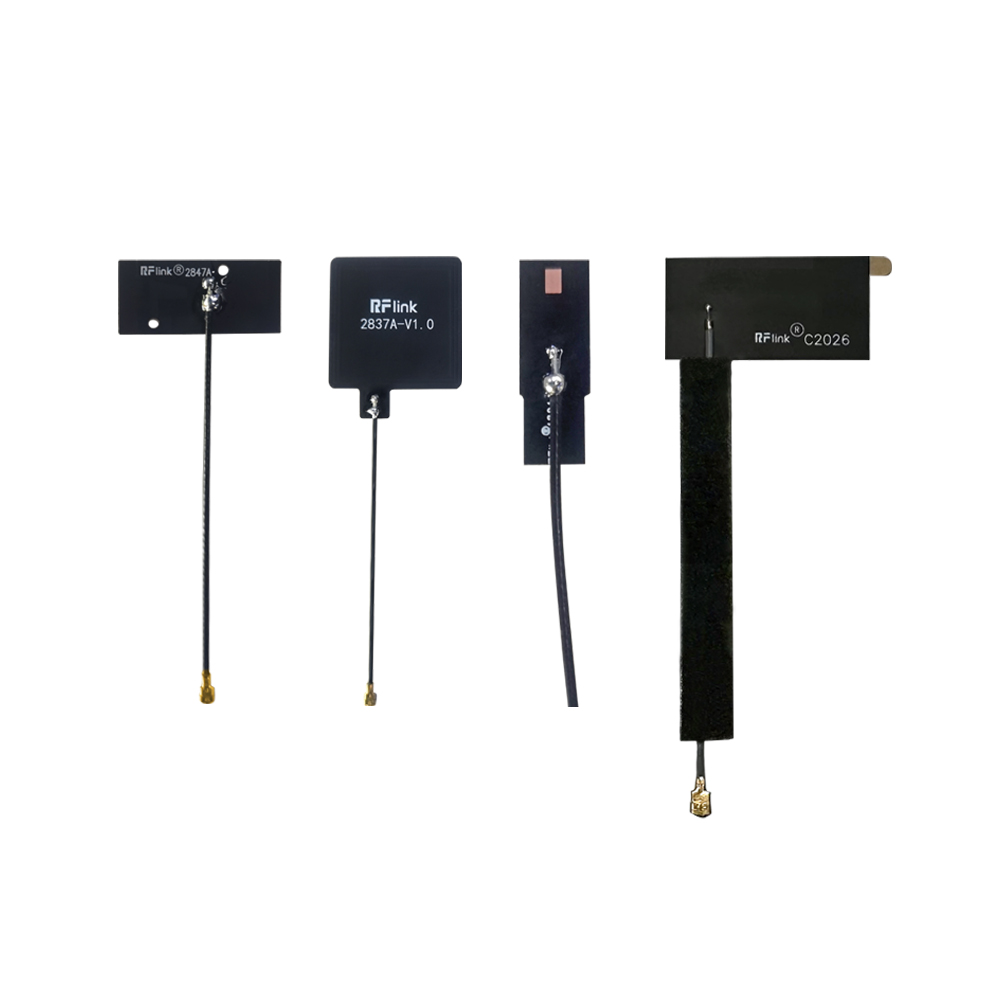
An FPC antenna is a flexible internal antenna widely used in compact wireless devices. It is made on a flexible printed circuit material and is usually attached inside the product housing with adhesive. Because it is thin, lightweight, and flexible in placement, an FPC antenna is commonly used in IoT devices, trackers, smart home products, handheld terminals, wireless modules, and compact industrial equipment.
Choosing an FPC antenna is not only about finding the right size. Frequency band, antenna placement, cable length, connector type, housing material, nearby components, and final device structure can all affect antenna performance.
This guide explains how to choose an FPC antenna and when a custom FPC antenna may be needed.
What Is an FPC Antenna?
An FPC antenna is an antenna built on flexible printed circuit material. Unlike a PCB antenna that is printed directly on a rigid circuit board, an FPC antenna can be attached to a suitable position inside the device housing.
This flexibility makes it useful when the main PCB has limited space or when the antenna needs to be placed away from batteries, displays, metal parts, or noisy components.
FPC antennas are commonly used for:
- IoT sensors
- GPS trackers
- Smart home devices
- Bluetooth products
- WiFi devices
- LoRa terminals
- Wearable devices
- Handheld wireless devices
- Industrial monitoring equipment
1. Confirm the Frequency Band
The first step in choosing an FPC antenna is confirming the required frequency band. The antenna must match the wireless module and communication standard used in the device.
Common FPC antenna frequency bands include:
- 433MHz
- 868MHz
- 915MHz
- 2.4GHz
- 5GHz
- GNSS bands
- LTE / 4G / cellular bands
- WiFi and Bluetooth bands
If the FPC antenna does not match the required frequency band, the device may have poor signal strength, short communication distance, high VSWR, or unstable connection.
For devices that need to support multiple wireless systems, such as LTE + GNSS or WiFi + Bluetooth, a multiband FPC antenna may be required.
2. Check Available Installation Space
FPC antennas are often selected because they are suitable for compact devices. However, they still need enough space to work properly.
Before choosing an FPC antenna, engineers should check:
- Available flat area inside the housing
- Distance from batteries and metal components
- Distance from the PCB ground plane
- Cable routing path
- Housing material and thickness
- Whether the antenna can be installed in a consistent position during production
An FPC antenna should not be squeezed randomly into the device. Its position should be planned early in the product design stage.
3. Evaluate Antenna Placement
Antenna placement is one of the most important factors for FPC antenna performance. Even a well-designed antenna can perform poorly if it is placed too close to metal parts, batteries, displays, motors, or dense circuit areas.
Poor placement may cause:
- Lower antenna efficiency
- Frequency detuning
- Higher VSWR
- Unstable signal
- Reduced communication range
In many cases, the best location for an FPC antenna is near the edge of the plastic housing, with enough clearance from metal parts and other RF interference sources.
4. Choose the Right Cable and Connector
Most FPC antennas are connected to the RF module through a coaxial cable. Common connector types include IPEX, U.FL, MHF, SMA, or custom RF connectors depending on the device design.
When choosing an FPC antenna, consider:
- Connector type
- Cable length
- Cable routing
- Cable loss
- Assembly method
- Mechanical reliability
A longer cable can provide more placement flexibility, but it may also introduce additional signal loss. The cable should be routed carefully to avoid sharp bends, metal contact, or interference with other components.
5. Consider Housing Material and Adhesive Position
FPC antennas are usually attached to the inside of the housing with adhesive. The housing material and antenna attachment position can affect performance.
Plastic housings are usually more suitable for FPC antennas than metal housings. If the device has a metal enclosure, the antenna may require a special structure, external antenna design, or customized placement solution.
The adhesive position also matters. If the FPC antenna is not installed in the same position during production, the final wireless performance may vary from unit to unit.
6. Check VSWR, Efficiency, and Real Device Performance
FPC antenna performance should not be judged only by the datasheet. Once installed into the final product, the antenna may be affected by the housing, PCB, battery, cable, and other components.
Important RF parameters include:
- Frequency range
- VSWR
- Gain
- Efficiency
- Impedance
- Radiation pattern
- Cable loss
- Real communication distance
Antenna testing should be performed in the final device structure whenever possible. This helps confirm whether the selected FPC antenna is suitable for real use.
7. Standard FPC Antenna or Custom FPC Antenna?
A standard FPC antenna can be a good choice for many wireless products. However, custom FPC antenna design may be needed when the product has special requirements for size, frequency, cable, connector, placement, or wireless performance.
A custom FPC antenna may be useful when:
- The device has very limited internal space
- The antenna must fit a special housing shape
- Standard antennas do not perform well after installation
- The product requires a special frequency band
- The device needs multiband performance
- The cable length or connector must be customized
- Stable RF performance is required before mass production
A custom antenna solution can help optimize antenna size, placement, matching, cable design, and final performance.
FAQ
What is an FPC antenna?
An FPC antenna is a flexible internal antenna made on flexible printed circuit material and usually attached inside a device housing.
Is an FPC antenna good for compact devices?
Yes. FPC antennas are often used in compact devices because they are thin, lightweight, and flexible in placement.
Does an FPC antenna need tuning?
Yes. FPC antennas often need tuning after installation because the housing, PCB, battery, and nearby components can change antenna performance.
What connector is used for an FPC antenna?
Common connectors include IPEX, U.FL, MHF, SMA, and other RF connectors depending on the device design.
Conclusion
Choosing an FPC antenna requires careful evaluation of frequency band, installation space, antenna placement, cable, connector, housing material, and final device performance.
If a standard FPC antenna cannot meet your requirements for size, frequency, cable, connector, placement, or RF performance, our RF engineering team can help develop a custom FPC antenna solution from design to production.